The Anthem Written Against Britain
The monarchy banned this song, and the republic made it the anthem.
The story
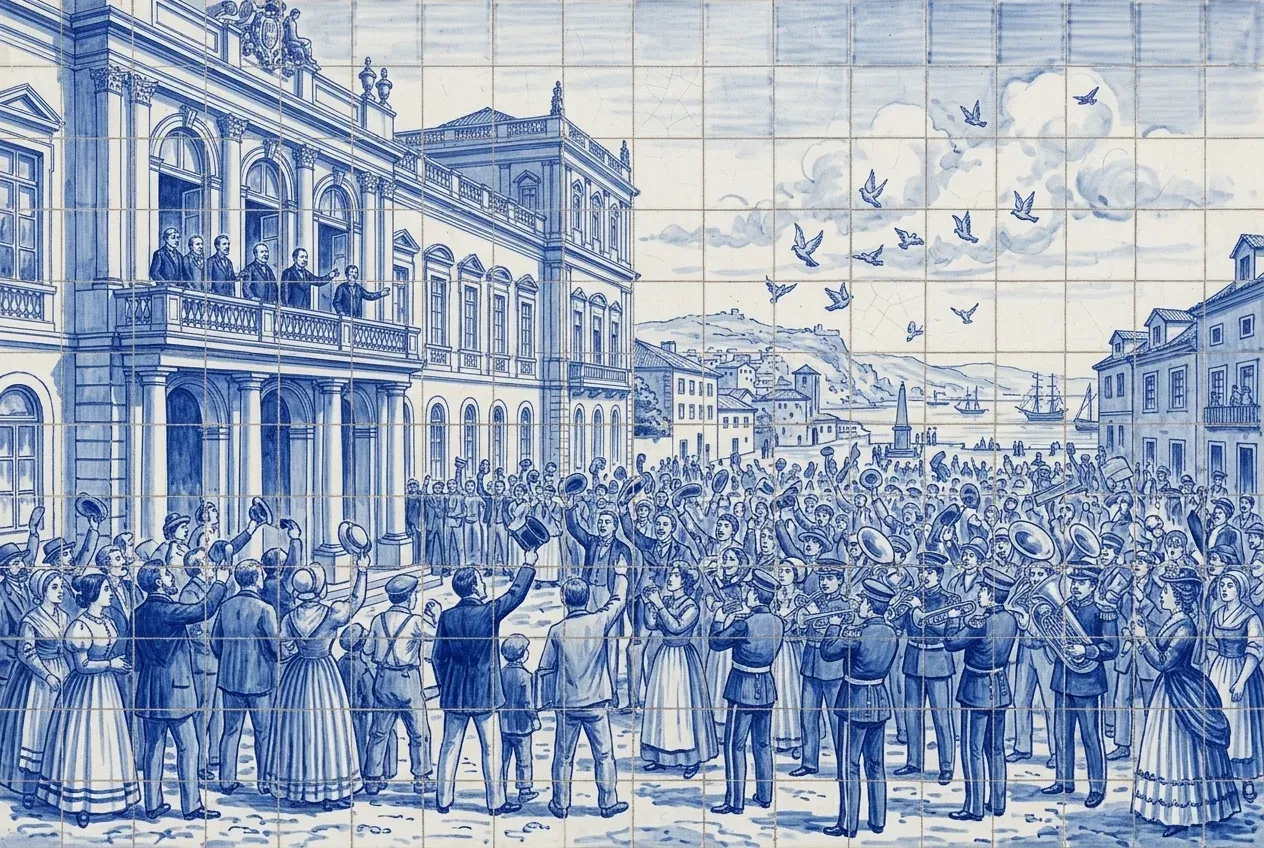
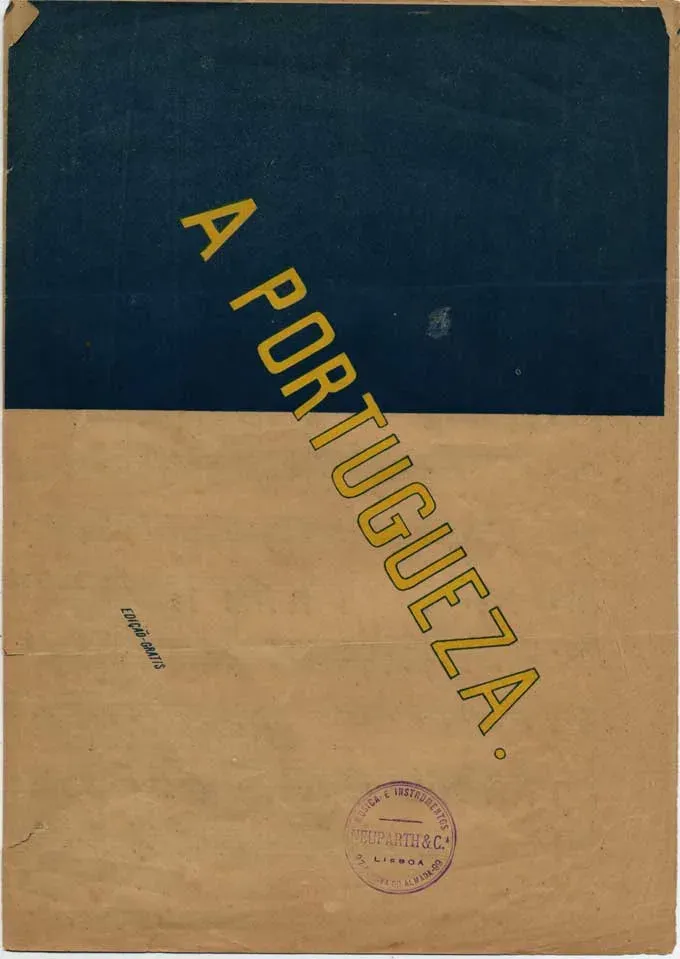
In January 1890, Britain demanded that Portugal pull out of the lands between Angola and Mozambique. The king gave in, and the country took it as a humiliation. In reply, composer Alfredo Keil and poet Henrique Lopes de Mendonça wrote the march “A Portuguesa” in a single night. In 1891 it was sung by the republicans who rose up in Porto, and the monarchy banned it. On October 5, 1910, the republic was proclaimed from the balcony of Lisbon City Hall, the banned song rang out in the squares, and in 1911 the march became the national anthem.
Meanwhile
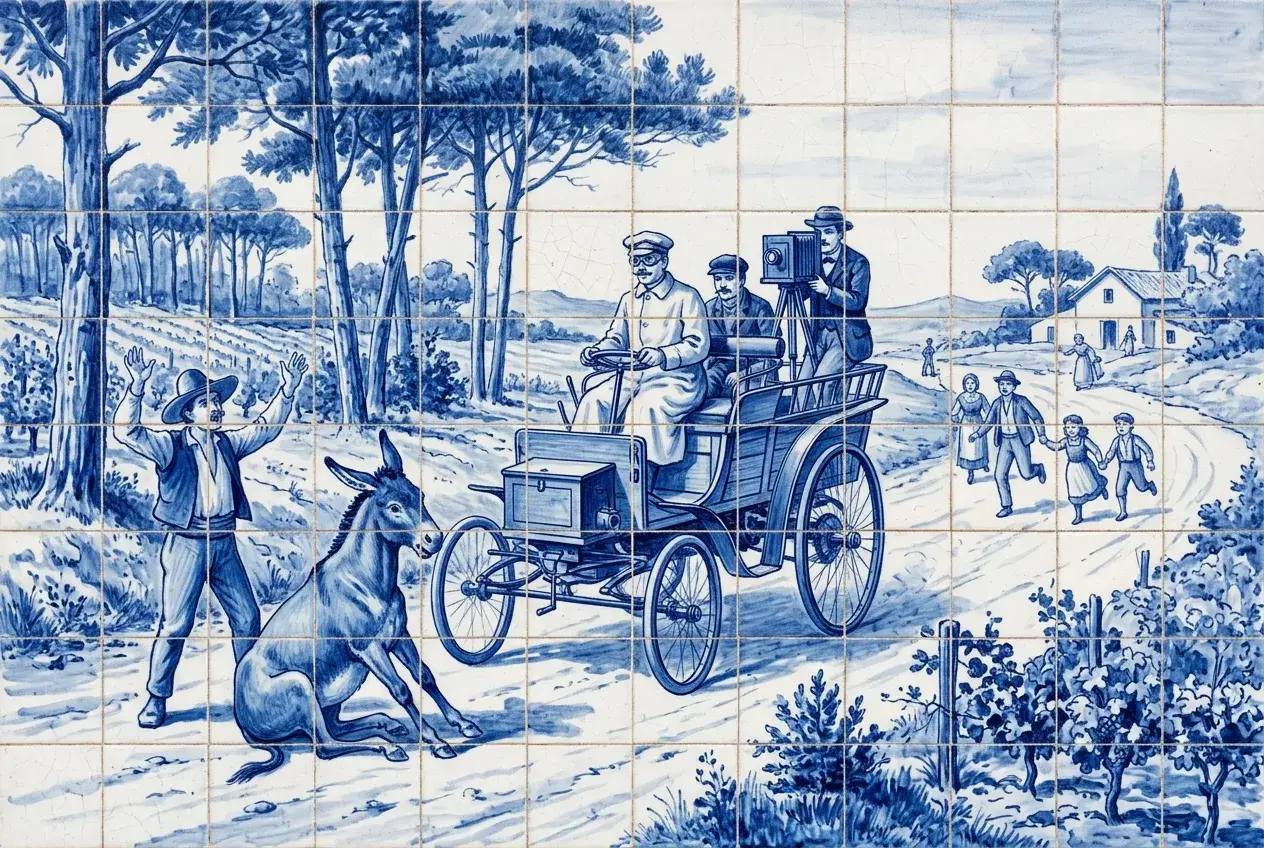
- 1891James Naismith invents basketball in Springfield, Massachusetts.
More
Context
In the chorus, the anthem calls out “To arms!” and “against the cannons, march, march.” Many people are sure the first version said “against the Bretons,” meaning the British. Others think the “Bretons” were added later, in the heat of political battles. The final lyrics weren’t approved until 1957.
The march was banned after the republican uprising in Porto on January 31, 1891: the rebels had been singing it. Twenty years later, the banned song rang out in the squares as the anthem of the new government.
Where to see it today
Lisbon City Hall
Paços do Concelho de Lisboa
From this balcony on October 5, 1910, the republic that made the banned march its anthem was proclaimed.


Sources (3)· links checked on
That was the last story of the era “Monarchy and Republic.” Your panel is complete →