
Stones to Guard the Wine
To save port, Pombal had the Douro's elder trees uprooted.
The story
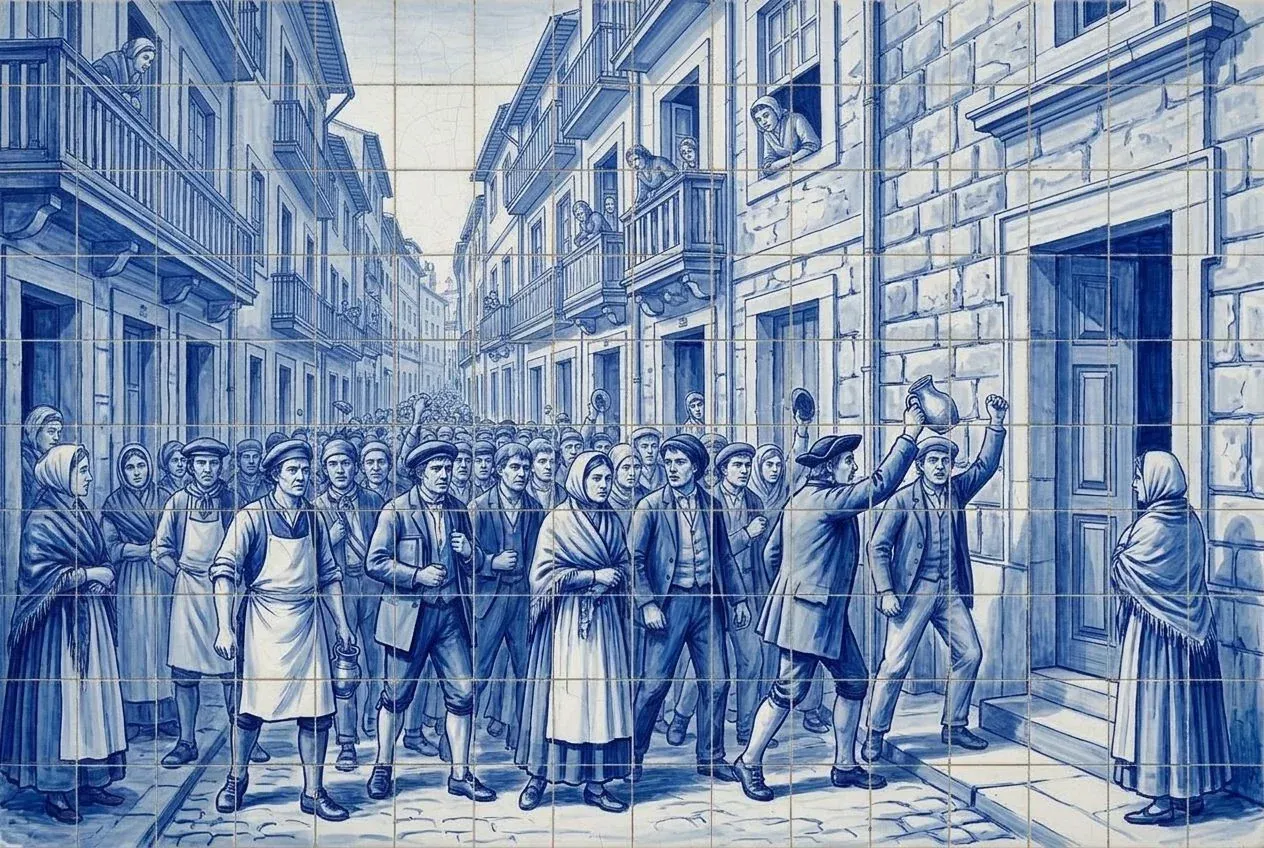
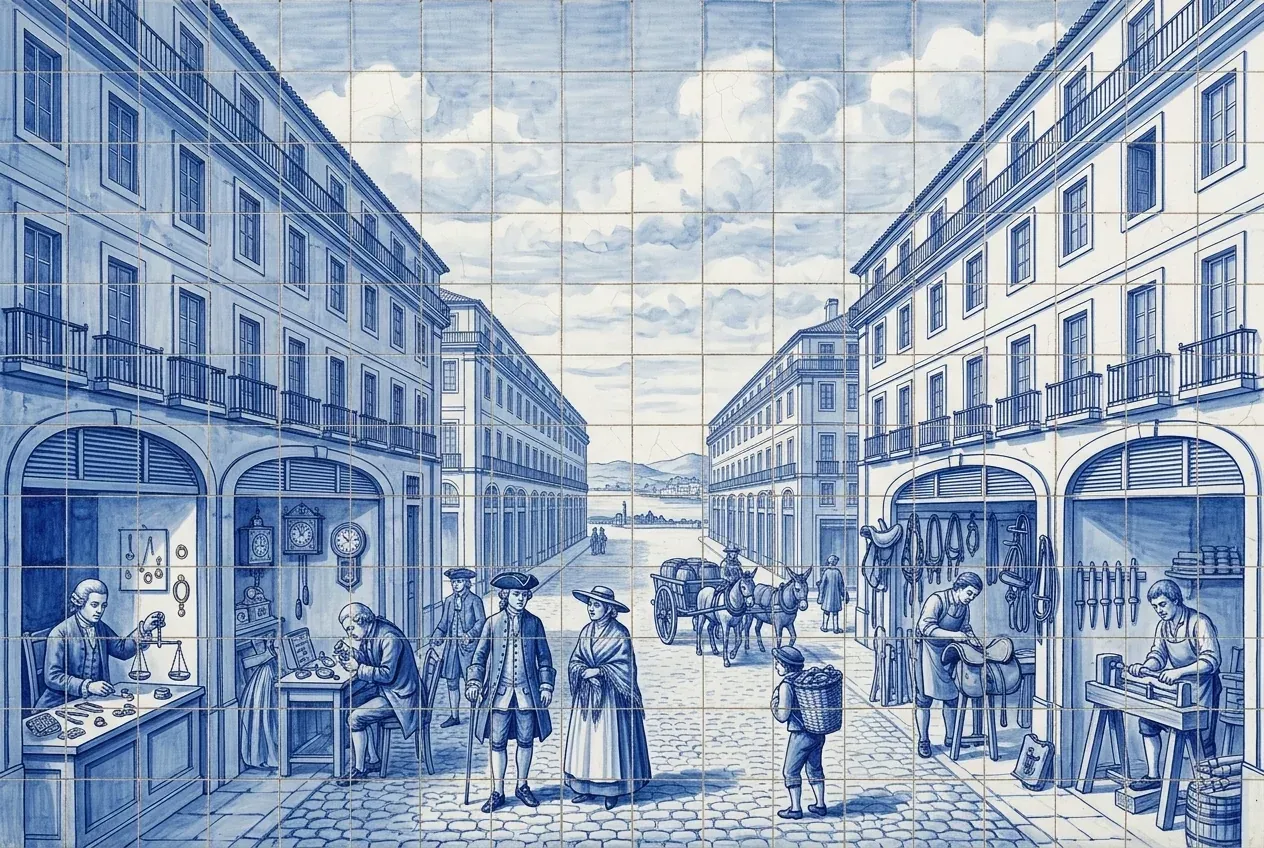
By the 1750s the port wine trade was in crisis: too much wine, too many fakes, and most of it sold by British merchants in Porto. In 1756 Sebastião José de Carvalho e Melo, the future Marquis of Pombal, created a company with a monopoly on the trade with England and Brazil, and the elder trees were uprooted. Two years later the first of 335 granite pillars went up to mark the region's borders, often called the world's first demarcated wine region.
More
Context
The stones were carved with 'Feitoria' and a year, the first in 1758, and about a hundred of the 335 still stand in the vineyards. In Portuguese they are the marcos pombalinos. The company founded in 1756 is still alive: today it is the Real Companhia Velha, and its cellars and a small museum, 17•56, stand on the banks of the Douro in Vila Nova de Gaia. Not everyone welcomed the new rules. In February 1757 Porto's tavern-keepers rose against the Company; that story has its own card.
Bridge to today
17•56 Museum and Wine Library of the Real Companhia Velha
17•56 Museu & Enoteca da Real Companhia Velha (Cais de Gaia)
In Gaia, the Real Companhia Velha museum tells the story of the company founded in 1756.
Alameda da Rua Serpa Pinto 44B, Vila Nova de GaiaBridge to today: 17•56 Museum and Wine Library of the Real Companhia Velha


Sources (4)· links checked on
- Taylor's Port: The Marquis of Pombal
- Wine Anorak: Feitoria, demarcating the Douro
- Álvaro Moreira da Fonseca, As Demarcações Pombalinas no Douro Vinhateiro (1949) · after the text of Univ. do Porto
- Real Companhia Velha: Gaia Cellars · official website