
Pineapples Raised on Smoke
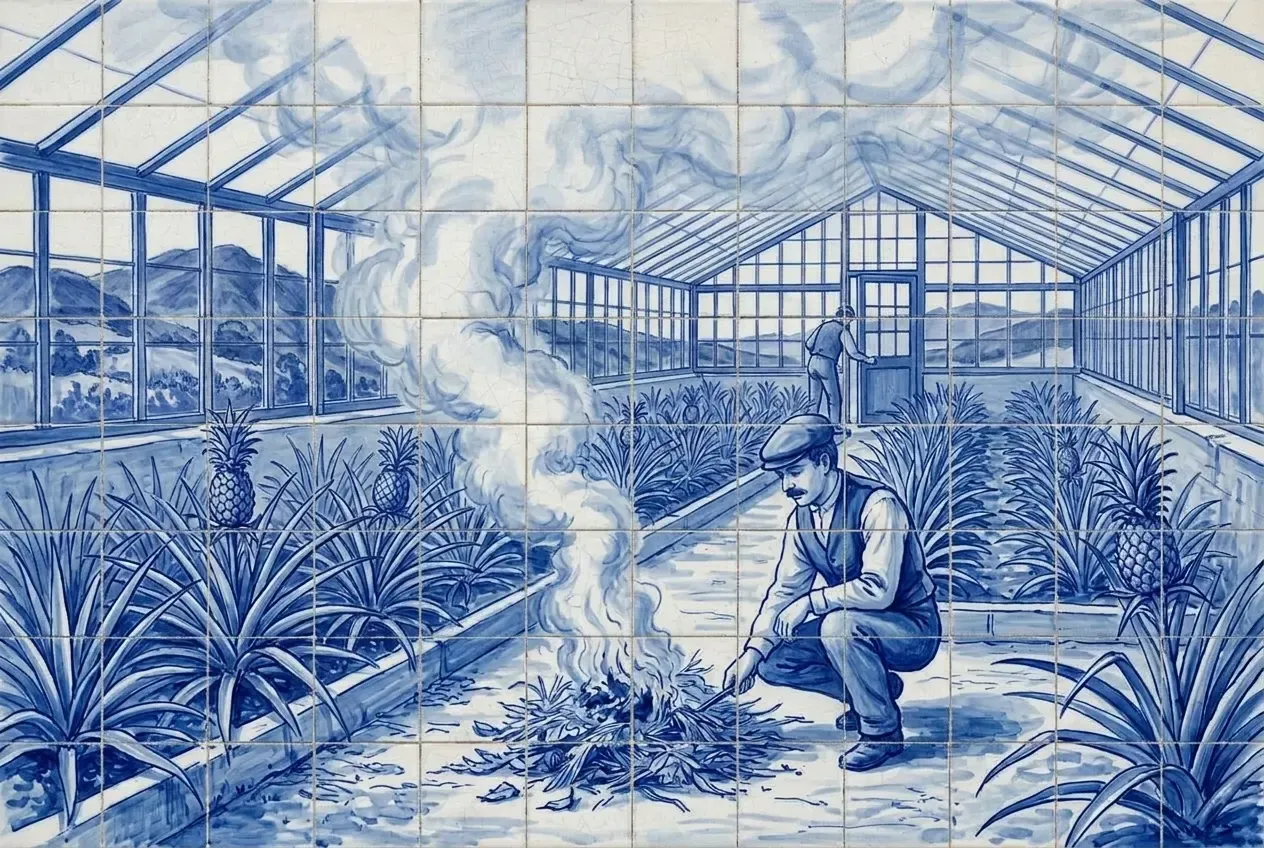
In the Azores, pineapples bloom only when the greenhouse fills with smoke.
The story
In the mid-1800s, the island of São Miguel lost its main source of income: a disease wiped out its orange groves, and the orange trade with England collapsed. The island needed something new to sell.
Pineapples were already growing in gardens there as a curiosity, so islanders began raising them for sale in glass greenhouses. The secret, as the story goes, was found by accident: if you shut the greenhouse and fill it with smoke, the heat climbs to 40 °C (104 °F) and all the plants bloom at once. Then the whole crop ripens together and can be loaded onto a ship in one go.
By 1875 the island’s greenhouses held tens of thousands of pineapples, and before World War I they were shipped to England, Germany, and Russia.
Meanwhile
- 1875Bizet’s opera Carmen premieres in Paris.
More
Context
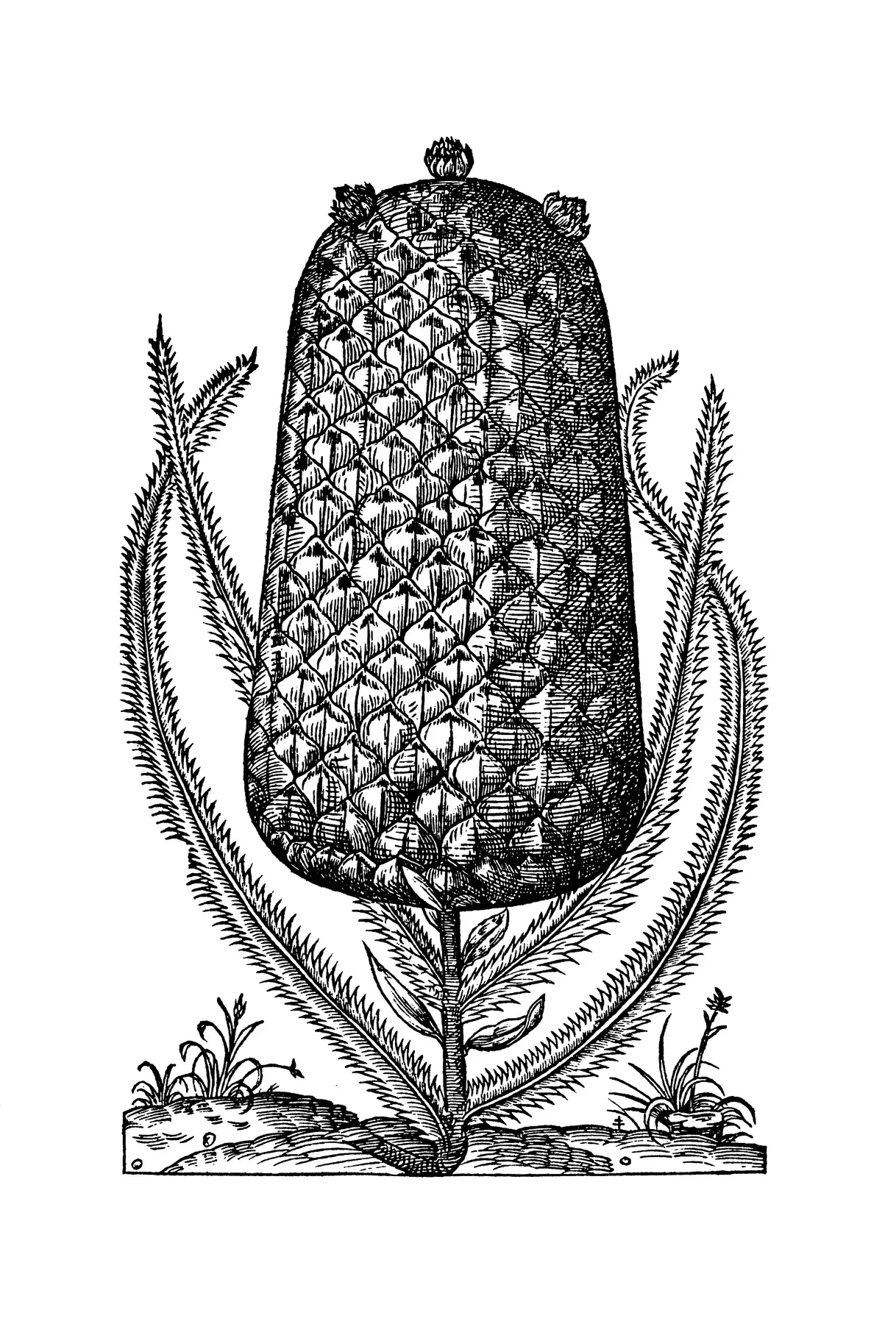
The word itself traveled even farther. The Portuguese heard it in Brazil, in the Tupi language, and started saying “ananás.” From Portuguese it passed into French, German, and Russian, so in most of Europe a pineapple is still an “ananas.” English went its own way and named the fruit after what it looked like: a pine cone.
The smoke trick is still used today, and so are the old greenhouses. It takes about a year and a half from planting to harvest, and at Augusto Arruda’s plantation in Fajã de Baixo you can walk along the rows and see pineapples at every stage, from shoot to ripe fruit.
Pineapples weren’t the island’s only answer to the dying orange groves. In the same years, tea was planted on São Miguel’s hillsides, and both crops are still grown there today.
Where to see it today
A. Arruda Pineapple Plantation
Plantação de Ananases A. Arruda
One of the island’s oldest pineapple plantations: late-19th-century glass greenhouses where pineapples are still raised with smoke.


Sources (2)· links checked on


New stories, once a month
One email a month, no ads. Unsubscribe in one click.
Almost done: check your inbox and confirm your subscription.